
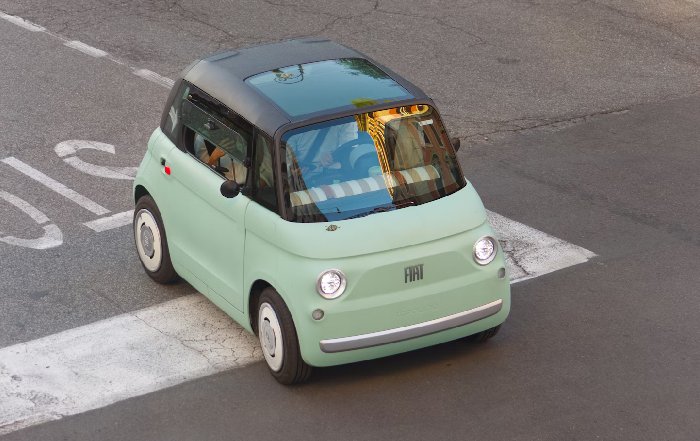
Micro-Mobility Solutions Reshape Urban Transport
A New Urban Transport Era
By 2026, micro-mobility has moved from a niche experiment to a defining feature of urban transport strategies across the world, reshaping how people move through cities in the United States, Europe, Asia and beyond, and forcing policymakers, investors and business leaders to reconsider long-held assumptions about car-centric infrastructure, public transit integration and the economics of last-mile connectivity. For the audience of DailyBusinesss.com, which closely follows developments in AI, finance, business, crypto, economics, employment, founders, world markets and technology, micro-mobility now sits at the intersection of these themes, blending digital platforms, asset-heavy operations, complex regulatory frameworks and shifting consumer expectations into a fast-evolving market landscape that is increasingly central to urban competitiveness and sustainable growth.
Micro-mobility, typically defined as lightweight vehicles such as e-scooters, e-bikes, pedal bikes and shared mopeds designed for short urban trips, has become a strategic tool for cities seeking to cut congestion, reduce emissions and expand access to jobs and services without the time and capital required for large-scale road and rail projects. As city planners, investors and technology companies scrutinize the post-pandemic transport mix, they are discovering that micro-mobility is no longer a peripheral convenience; rather, it is a structural component of the urban mobility ecosystem that interacts with everything from real estate values and retail footfall to digital payments, data governance and the future of work. Readers can explore how this shift fits into broader business dynamics in the DailyBusinesss business analysis section, where mobility is increasingly treated as a core pillar of urban economic strategy.
The Economic Logic Behind Micro-Mobility
The economic rationale for micro-mobility has strengthened markedly over the past five years, driven by the convergence of improved battery technology, falling hardware costs, more sophisticated fleet management software and rising urbanization in regions from North America and Europe to Asia and South America. According to data from organizations such as the International Transport Forum and World Bank, urban populations continue to expand, particularly in mid-sized cities that often lack the resources to build extensive metro networks, creating a space where low-cost, flexible transport solutions can deliver outsized benefits. As cities from Berlin to Bangkok, Toronto to Tokyo seek to manage congestion and air quality, micro-mobility offers a relatively low-capex way to extend the reach of existing public transport. Learn more about the broader economic implications of urbanization and transport through the DailyBusinesss economics coverage.
For operators, the path to profitability has been challenging but is increasingly visible, as early, heavily subsidized growth models give way to more disciplined unit economics, dynamic pricing and tighter partnerships with municipalities. Industry leaders such as Lime, Bird, Dott, Tier Mobility and Voi Technology have shifted from a pure land-grab mentality to a focus on fleet optimization, vehicle longevity and city contracts with clearer operating conditions and exclusivity periods. Reports from organizations like the OECD and McKinsey & Company suggest that when average vehicle lifespans exceed two to three years, maintenance and depreciation costs drop significantly, turning previously loss-making routes into profitable ones. In parallel, cities are learning to design tenders and concession agreements that encourage long-term investment in infrastructure, safety and workforce development rather than a race to the bottom on pricing and regulatory compliance.
Urban Policy, Regulation and the New Social Contract
As micro-mobility has matured, it has forced a renegotiation of the social contract around street space, safety and public oversight, with city governments from New York and London to Paris, Singapore and Sydney moving from reactive bans and pilot programs to more structured regulatory frameworks. Municipalities increasingly use data-sharing requirements, fleet caps, parking mandates and safety standards to align private operators with public goals, while at the same time recognizing that flexible, digitally enabled services can complement traditional public transit and reduce the need for car ownership. Guidance from bodies such as the European Commission, National Association of City Transportation Officials (NACTO) and World Resources Institute has helped cities develop best practices in areas such as protected bike lanes, parking corrals, speed limits and equity-focused deployment.
The regulatory story is not only about control but also about collaboration and co-investment, as cities realize that micro-mobility can reduce pressure on bus networks, extend the catchment area of suburban rail and support low-income communities with better access to employment hubs. In Los Angeles, London, Paris and Berlin, transport agencies are experimenting with integrated ticketing and Mobility-as-a-Service (MaaS) platforms that allow users to plan and pay for journeys across buses, metros, trains, ride-hailing and micro-mobility within a single app. Learn more about how these policy shifts affect global business and trade in the DailyBusinesss world affairs section, where transport policy is increasingly viewed as an instrument of economic competitiveness and climate diplomacy.
Technology, AI and Data-Driven Operations
The technological backbone of modern micro-mobility has advanced rapidly, and by 2026 the sector is deeply intertwined with AI, edge computing and advanced analytics. Fleet operators deploy predictive maintenance algorithms that analyze sensor data on vibration, battery performance and usage patterns to anticipate component failures before they occur, thereby reducing downtime and extending vehicle life. Computer vision and AI-powered parking detection help enforce designated parking zones, reduce sidewalk clutter and improve compliance with local regulations, while geofencing technologies automatically adjust speeds in high-risk areas or pedestrian-heavy zones. Readers interested in the convergence of AI and mobility can explore this theme further in the DailyBusinesss AI insights hub, where the operational impact of machine learning across industries is examined in depth.
Data is becoming a strategic asset not only for operators but also for cities, as anonymized trip data provides granular insight into mobility patterns, peak demand, underserved neighborhoods and the impact of infrastructure changes such as new bike lanes or low-traffic zones. Organizations like MIT's Senseable City Lab, The Alan Turing Institute and ETH Zurich conduct research on how micro-mobility data can improve urban planning, inform road safety interventions and support climate targets. However, this data revolution raises questions around privacy, cyber security and governance, pushing regulators and companies alike to develop robust frameworks for consent, anonymization and data sharing. Learn more about how technology is transforming traditional sectors by visiting the DailyBusinesss technology vertical, which frequently highlights case studies at the intersection of data, regulation and business strategy.
Investment, Markets and the Business Model Shakeout
The financial story of micro-mobility has been characterized by cycles of exuberance and consolidation, with early-stage venture capital backing rapid global expansion followed by a period of retrenchment and disciplined capital allocation. Between 2018 and 2022, investors from Sequoia Capital, SoftBank, Index Ventures and Accel poured billions into scooter and bike-sharing startups, betting that network effects and scale would create defensible platforms. However, as interest rates rose, public market sentiment shifted and the cost of capital increased, many operators were forced to rationalize unprofitable markets, merge with competitors or pivot toward more sustainable business models such as long-term leases and corporate partnerships. Analysts from Bloomberg, The Financial Times and The Wall Street Journal have chronicled this shift, noting that only operators with strong balance sheets, disciplined operations and constructive relationships with regulators are likely to thrive.
By 2026, investors are focusing less on raw trip volume and more on revenue quality, cash flow visibility and alignment with public policy, treating micro-mobility as part of a broader mobility and infrastructure investment thesis that also includes EV charging networks, autonomous shuttles and digital ticketing platforms. Infrastructure funds, pension funds and sovereign wealth funds in regions such as North America, Europe, Asia and the Middle East are increasingly interested in long-term concessions and public-private partnerships that provide stable returns. For readers tracking these developments, the DailyBusinesss investment section and markets coverage provide context on how micro-mobility fits into global capital flows, risk assessments and sector rotations.
Sustainability, Climate and ESG Imperatives
Micro-mobility is frequently promoted as a green solution, but its true environmental impact depends on how services are deployed, managed and integrated with broader transport systems. Life-cycle assessments from institutions such as the International Energy Agency (IEA), University of California and Chalmers University of Technology show that early-generation e-scooters had higher-than-expected emissions due to short vehicle lifespans, carbon-intensive manufacturing and inefficient collection and charging operations. In response, operators and manufacturers have redesigned vehicles for modularity and durability, switched to swappable batteries and adopted more sustainable logistics practices, including electric vans and cargo bikes for fleet servicing. Learn more about sustainable business practices and climate-aligned strategies in the DailyBusinesss sustainability section, where ESG is treated as a fundamental driver of long-term value creation.
For cities striving to meet the climate commitments set out in the Paris Agreement and national net-zero targets, micro-mobility is increasingly viewed as one tool among many, complementing public transit, walking infrastructure and low-emission zones. Organizations like C40 Cities, ICLEI - Local Governments for Sustainability and the World Economic Forum highlight case studies in which cycling and e-scooter networks have reduced car trips, improved air quality and increased physical activity, particularly in dense urban cores. The real sustainability test lies in mode shift: if micro-mobility primarily replaces walking or public transport, its climate benefits are limited; if it replaces car journeys and supports compact, transit-oriented development, it can materially reduce emissions and congestion. Policy design, pricing and infrastructure therefore play a decisive role in determining whether micro-mobility delivers on its environmental promise or becomes a marginal convenience.
Employment, Skills and the Future of Work in Mobility
Behind the sleek apps and colorful vehicles, micro-mobility is an intensely operational business that relies on a substantial workforce of mechanics, operations managers, field technicians, data analysts and customer service professionals. As the sector matures, employment models are shifting from precarious gig work toward more stable arrangements, driven by regulatory pressure, unionization efforts and the operational advantages of a committed, skilled workforce. Labor regulators and courts in jurisdictions such as the United Kingdom, Germany, France and California have scrutinized the classification of workers in platform-based businesses, pushing companies to provide better protections, benefits and training. Readers interested in how these shifts affect labor markets and skills development can explore the DailyBusinesss employment section, where the changing nature of work in digital-first industries is a recurring theme.
At the same time, micro-mobility is creating new categories of jobs in areas such as fleet analytics, urban mobility planning and sustainability reporting, attracting talent from the automotive, logistics, software and consulting sectors. Universities and vocational training centers in countries like Netherlands, Sweden, Singapore and Japan are developing specialized programs in mobility management, smart city design and transport data science, recognizing that the next generation of urban professionals will need to navigate a complex landscape of physical infrastructure, digital platforms and public policy. As automation and AI continue to reshape logistics and transport, the micro-mobility sector illustrates how new technologies can both displace certain roles and create new ones that require higher levels of technical and managerial expertise.
Founders, Innovation and Competitive Dynamics
Micro-mobility has also been a fertile ground for entrepreneurial experimentation, with founders across North America, Europe, Asia and Australia testing different models for ownership, sharing, subscription and corporate mobility services. High-profile founders such as Travis VanderZanden (formerly of Bird), Toby Sun and Brad Bao (co-founders of Lime), Fredrik Hjelm of Voi Technology and Lawrence Leuschner of Tier Mobility have become emblematic of the sector's rapid rise and subsequent recalibration, navigating regulatory battles, funding rounds, public listings and restructuring efforts. Their experiences underscore the importance of regulatory literacy, capital discipline and local partnerships in building durable mobility businesses, particularly in markets such as United States, United Kingdom, Germany, France, Italy, Spain, Singapore and South Korea, where regulatory regimes and consumer behaviors differ significantly.
The competitive landscape is further complicated by the entry of established players from adjacent sectors, including Uber, Lyft, Bolt and Grab, which have integrated micro-mobility into multi-modal platforms, as well as automotive manufacturers such as Ford, BMW, Volkswagen and Hyundai, which see micro-mobility as a way to diversify revenue streams and maintain relevance among younger, urban consumers less inclined to own cars. For deeper profiles of founders and their strategies, readers can visit the DailyBusinesss founders section, where mobility entrepreneurs are examined alongside leaders in fintech, crypto, AI and other high-growth sectors.
Crypto, Payments and the Tokenized Mobility Experiment
Although not yet mainstream, the intersection of micro-mobility and crypto has attracted experimentation from startups and urban innovation labs exploring token-based incentives, decentralized governance and blockchain-enabled asset tracking. Some pilots in cities across Europe, Asia and Latin America have tested systems where riders earn tokens for choosing low-emission modes, parking responsibly or riding in off-peak hours, with tokens redeemable for discounts, public transit credits or local services. Blockchain technology has also been deployed for managing shared ownership of vehicle fleets, tracking maintenance histories and enabling cross-border interoperability of mobility services. Organizations such as the Mobility Open Blockchain Initiative (MOBI) and research from University College London and Stanford University examine how distributed ledgers could support more transparent and efficient mobility ecosystems.
For the audience of DailyBusinesss.com, which follows developments in digital assets and decentralized finance, these experiments highlight both the potential and the limitations of tokenization in real-world infrastructure sectors. Regulatory scrutiny from bodies such as the U.S. Securities and Exchange Commission (SEC), European Securities and Markets Authority (ESMA) and financial authorities in Singapore, Japan and Switzerland means that large-scale deployment of crypto-based mobility schemes remains constrained, but incremental use cases around loyalty, carbon credits and supply-chain transparency are gaining traction. Readers can follow these developments in the DailyBusinesss crypto section and finance coverage, where the convergence of digital assets, payments and real-economy services is analyzed through a business and regulatory lens.
Travel, Tourism and the Visitor Economy
Micro-mobility is also reshaping how tourists and business travelers experience cities, particularly in destinations such as Barcelona, Amsterdam, Copenhagen, Lisbon, Melbourne, Vancouver and Bangkok, where cycling and scooter infrastructure is well developed and visitor demand is high. For hotels, conference centers and travel platforms, integrating micro-mobility options into booking and concierge services has become a way to enhance guest experiences, reduce reliance on taxis and ride-hailing, and differentiate offerings for environmentally conscious travelers. Organizations such as the World Travel & Tourism Council (WTTC) and UN World Tourism Organization (UNWTO) highlight the role of sustainable mobility in supporting resilient, low-carbon tourism ecosystems, especially in historic city centers where congestion and pollution threaten cultural heritage and quality of life.
Business travelers are increasingly using micro-mobility for short trips between meetings, co-working spaces and transit hubs, particularly in cities with clear signage, safe infrastructure and integrated digital maps, while corporate travel policies are starting to recognize micro-mobility as an eligible expense category. For a broader perspective on how mobility trends intersect with global tourism and business travel, readers can explore the DailyBusinesss travel section, which tracks how changes in transport, regulation and consumer preferences are redefining the visitor economy in regions from North America and Europe to Asia-Pacific and Africa.
Trade, Supply Chains and Global Manufacturing Footprints
Behind every e-scooter or e-bike lies a complex global supply chain that connects raw materials, battery production, electronics, assembly plants and logistics hubs across China, South Korea, Japan, Germany, United States, Mexico, Vietnam and other manufacturing centers. The micro-mobility boom has deepened demand for lithium-ion batteries, rare earth materials and high-precision components, linking the sector to broader debates about energy security, resource nationalism and resilient supply chains. Trade tensions, export controls and industrial policy initiatives such as the European Union's Green Deal Industrial Plan, the U.S. Inflation Reduction Act and various national EV strategies have a direct impact on the cost and availability of micro-mobility hardware, influencing where companies choose to manufacture and assemble their fleets.
As global trade patterns evolve, micro-mobility manufacturers are exploring nearshoring and regionalization strategies to reduce shipping costs, shorten lead times and manage geopolitical risk, establishing assembly operations in regions such as Eastern Europe, Southeast Asia and Latin America. For a deeper understanding of how trade policy, tariffs and logistics affect industries like micro-mobility, readers can refer to the DailyBusinesss trade section, where supply chain resilience and the reconfiguration of global production networks are recurring themes. These dynamics underscore that micro-mobility is not simply a local urban service but part of a global industrial and trade system that is being reshaped by climate policy, technological change and geopolitical competition.
The Road Ahead: Integrating Micro-Mobility into Urban Strategy
As of 2026, the central question for business leaders, policymakers and investors is no longer whether micro-mobility will play a role in urban transport, but how that role will be structured, governed and financed in ways that align commercial viability with public value. Cities that successfully integrate micro-mobility into coherent mobility ecosystems, combining high-quality public transit, safe cycling infrastructure, digital platforms and supportive regulatory frameworks, are likely to see benefits in reduced congestion, improved air quality, enhanced labor market access and increased attractiveness for talent and investment. Those that treat micro-mobility as a short-term experiment or a peripheral amenity risk missing an opportunity to modernize their transport systems and support inclusive, sustainable growth.
For the global audience of DailyBusinesss.com, spanning regions from United States, United Kingdom and Germany to Canada, Australia, France, Italy, Spain, Netherlands, Switzerland, China, Singapore, South Korea, Japan, Brazil, South Africa, Malaysia, New Zealand and beyond, micro-mobility offers a lens through which to understand broader transformations in technology, finance, regulation and consumer behavior. As DailyBusinesss continues to track developments in news, tech, economics and business, micro-mobility will remain a key theme, illustrating how innovation at the street level can reshape entire urban economies and redefine what it means to move, work and live in the cities of the future.
