
Global Markets at a Crossroads: How Investors and Businesses Are Repricing Risk
A New Phase for Global Markets
As 2026 progresses, equity markets across North America, Europe, Asia, and emerging economies are entering a distinctly more mature phase of the post-pandemic cycle, in which the exuberance of early recovery has given way to a more sober, data-driven reassessment of risk, return, and long-term structural change. For the audience of DailyBusinesss.com, which tracks developments in markets, finance, economics, and investment, this is not simply a story of indices moving sideways or oscillating between gains and losses; it is a broader test of how resilient business models, governance structures, and capital allocation decisions really are when monetary tightening, geopolitical fragmentation, technological disruption, and changing labor dynamics converge at the same time.
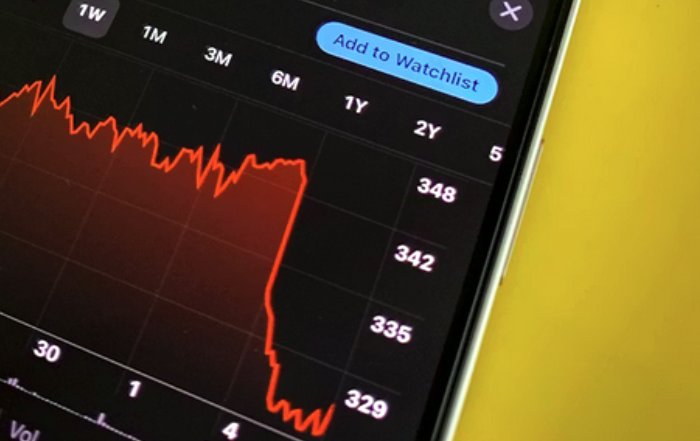
Major benchmarks including the S&P 500, NASDAQ Composite, FTSE 100, DAX, CAC 40, Nikkei 225, and the MSCI Emerging Markets Index continue to send mixed signals, often registering modest headline moves that conceal intense rotations beneath the surface between growth and value, defensives and cyclicals, and domestic versus export-oriented companies. While some sectors appear to be pricing in a soft landing and a gradual normalization of inflation, others still trade as if a more pronounced slowdown or policy misstep is likely. To interpret these cross-currents, investors and corporate leaders increasingly rely on macro and policy analysis from institutions such as the International Monetary Fund, the World Bank, and the Bank for International Settlements, while also turning to specialized business platforms like DailyBusinesss.com for context that links global forces to sector-specific and firm-level realities.
Regional Divergence Deepens
The defining feature of the global landscape in 2026 is not synchronized growth or synchronized slowdown, but pronounced regional divergence, with the United States, Europe, Asia, and key emerging markets each following distinct trajectories shaped by their own policy choices, demographic structures, and exposure to trade and technology.
In the United States, resilient consumer spending, underpinned by relatively healthy household balance sheets and a still-tight labor market, continues to support corporate earnings, even as the lagged impact of higher interest rates weighs on interest-sensitive sectors such as real estate, smaller-cap growth, and leveraged business models. The Federal Reserve, whose policy communications remain a central driver of global risk sentiment and are scrutinized via the Federal Reserve's official site, has shifted from aggressive tightening toward a more cautious, data-dependent stance, weighing the risk of cutting too early against the possibility of keeping rates restrictive for too long. Each meeting and speech influences not only U.S. Treasury yields but also equity valuations worldwide, the U.S. dollar, and capital flows into and out of emerging markets.
Across the United Kingdom and the Eurozone, the macro narrative is more fragile and uneven. The Bank of England and the European Central Bank are navigating a landscape in which headline inflation has eased but services inflation and wage pressures remain stubborn, while growth data from Germany, France, Italy, Spain, and the Netherlands point to a patchy recovery at best. Analysts monitoring Eurostat releases and the Office for National Statistics note that manufacturing-heavy economies such as Germany are still grappling with weaker global trade, energy price volatility, and subdued capital expenditure, while more services-oriented economies show relative resilience. Political dynamics, including debates over fiscal rules, industrial policy, and climate commitments, add another layer of complexity to equity valuations and bond spreads across Europe.
In Asia, the story is equally nuanced. Japan's equity markets, which saw renewed global interest in 2024 and 2025, continue to benefit from corporate governance reforms, improving return-on-equity discipline, and a more shareholder-friendly culture, even as the Bank of Japan gradually normalizes policy after decades of ultra-loose conditions. This delicate shift has implications for global carry trades, currency markets, and the relative attractiveness of Japanese equities to international investors. China remains a focal point of global attention, as policymakers seek to manage the aftermath of a property-sector adjustment, stimulate domestic demand, and reposition the economy toward advanced manufacturing and services, all while maintaining financial stability. Data from the National Bureau of Statistics of China and analysis from the Asian Development Bank are closely watched by investors trying to assess whether China's growth path will stabilize at a lower but more sustainable level, and what that implies for commodity exporters, supply chains, and multinational earnings. Export-oriented economies such as South Korea, Singapore, and Thailand remain sensitive to semiconductor cycles, global electronics demand, and the ongoing reconfiguration of supply chains, themes that are central to readers following world developments on DailyBusinesss.com.
In other key regions, including Canada, Australia, Brazil, South Africa, and parts of Southeast Asia, commodity price swings, domestic political developments, and exchange-rate dynamics continue to shape equity and bond markets, underscoring the importance of country-specific analysis rather than broad regional generalizations.
The Repriced Cost of Capital and Its Strategic Consequences
Perhaps the most transformative change since the pre-pandemic era has been the structural repricing of the cost of capital, as the ultra-low interest rate environment that prevailed for more than a decade has been replaced by a world in which real yields are positive, central banks are more vigilant about inflation, and investors demand higher compensation for duration and credit risk. For corporate finance teams, private equity sponsors, and institutional allocators who routinely consult resources such as the OECD economic outlook and Bloomberg Markets, this shift has profound implications for valuation frameworks, capital structure decisions, and strategic planning.
Discounted cash flow models now embed higher discount rates, which disproportionately affect companies whose value is heavily concentrated in distant future earnings, particularly high-growth technology and biotech firms that once benefited from a near-zero rate backdrop. At the same time, government bond yields in the United States, Germany, the United Kingdom, and other advanced economies have re-established fixed income as a credible alternative to equities, especially for pension funds, insurers, and sovereign wealth funds seeking dependable income and reduced volatility. This rebalancing of relative attractiveness has led to a more competitive environment for capital, in which companies must justify leverage levels, buyback programs, and acquisition strategies with greater rigor.
For readers of DailyBusinesss.com who track business fundamentals and tech sector dynamics, the new cost of capital regime has sharpened the market's focus on cash generation, balance sheet strength, and disciplined execution. Management teams are under pressure to demonstrate credible paths to sustainable profitability, rather than relying on narratives of future scale alone. In practice, this means more scrutiny of unit economics, capital intensity, and return on invested capital, as well as a heightened emphasis on transparent communication around capital allocation priorities.
Sector Dynamics: From Defensive Havens to Cyclical Opportunities
Beneath the surface of global indices, 2026 continues to be characterized by powerful sector rotations, as investors constantly reassess which industries are best positioned to navigate a world of higher rates, evolving regulation, and technological transformation. Defensive sectors such as consumer staples, healthcare, and utilities have maintained their appeal as relative havens during bouts of volatility, particularly in Europe and North America, where investors value stable cash flows and pricing power in the face of lingering inflation and geopolitical risk. Sector research from platforms such as Morningstar and S&P Global remains central to institutional decision-making, but investors are increasingly supplementing it with more granular, company-specific analysis and scenario testing.
Cyclical sectors, including industrials, financials, and energy, have seen more uneven performance, often rallying on signs of resilient growth or fiscal support, only to retrace when data disappoint or policy uncertainty rises. Banks and diversified financials in the United States, United Kingdom, and parts of Europe have benefited from wider net interest margins but face challenges related to credit quality, regulatory expectations, and competition from digital-native challengers. Industrial companies exposed to infrastructure, defense, and energy transition spending have found new growth avenues, while those reliant on legacy capital goods tied to slower-growing regions face more subdued prospects.
The technology sector remains a central engine of innovation and market capitalization, but leadership within it is shifting. Large-cap platform companies and cloud providers in the United States and Asia continue to wield significant pricing power and ecosystem advantages, yet investors are drawing sharper distinctions between firms that can translate artificial intelligence and automation into measurable productivity gains and those whose AI narratives remain largely aspirational. Semiconductor manufacturers, cybersecurity providers, and enterprise software vendors with clear recurring revenue models and strong competitive moats have generally been rewarded, while more speculative segments, including unprofitable software, certain consumer apps, and early-stage hardware plays, have experienced greater volatility as funding conditions tighten.
Energy markets, closely tracked via the International Energy Agency and the U.S. Energy Information Administration, continue to reflect the tension between near-term demand for oil and gas, particularly from Asia and emerging markets, and long-term decarbonization commitments in Europe, North America, and parts of Asia-Pacific. Traditional energy companies have benefited from disciplined capital expenditure, shareholder-friendly capital returns, and elevated commodity prices, while renewable energy and clean-tech firms operate in a paradoxical environment where long-term policy support and rising corporate demand coexist with short-term challenges from higher financing costs, permitting delays, and supply chain bottlenecks. Investors who follow sustainable business strategies on DailyBusinesss.com are increasingly adopting differentiated frameworks that assess not only growth potential but also regulatory risk, technology maturity, and project execution capability.
Artificial Intelligence as a Strategic and Market Catalyst
By 2026, artificial intelligence has moved firmly into the core of corporate strategy and capital markets, reshaping not only the technology sector but also finance, manufacturing, healthcare, logistics, and professional services across the United States, Europe, and Asia. Generative AI, advanced machine learning, and automation technologies are no longer treated as experimental pilots; they are embedded in production systems, customer interfaces, risk models, and back-office operations, forcing executives and boards to rethink competitive advantage and workforce design.
Organizations that engage with thought leadership from sources such as the MIT Sloan Management Review and the Stanford Institute for Human-Centered AI increasingly recognize that AI adoption is less about isolated tools and more about reconfiguring processes, governance, and data architectures. For the DailyBusinesss.com audience, which follows AI and technology developments closely, the market impact is clear: companies that demonstrate credible, secure, and ethically grounded AI deployment, supported by robust data infrastructure and domain expertise, often command valuation premiums, while those that merely attach AI labels to existing offerings without clear productivity or revenue impact face growing investor skepticism.
Regulation is rapidly catching up with technological progress. Policymakers in the European Union, United States, United Kingdom, Singapore, and other jurisdictions are developing frameworks addressing algorithmic transparency, data protection, model accountability, and sector-specific applications in areas such as healthcare and finance. These evolving rules, informed in part by research and consultation processes documented by organizations like the OECD AI Policy Observatory, introduce new compliance obligations and potential liability risks that boards and investors must integrate into their risk assessments.
In financial markets themselves, AI-driven trading strategies, quantitative models, and algorithmic execution have become ubiquitous, improving liquidity and price discovery in many instruments but also contributing to episodes of sharp intraday volatility when macro data or policy decisions surprise consensus. Analysts drawing on work from the CFA Institute and the National Bureau of Economic Research highlight the growing importance of understanding model behavior, feedback loops, and the interaction between machine-driven and discretionary trading, particularly during stress events when correlations can shift abruptly.
Crypto, Digital Assets, and Tokenized Finance
While traditional equity and bond markets adjust to higher rates and shifting growth prospects, crypto and digital assets have continued their transition from fringe speculation to a more regulated, institutionally engaged segment of the financial system. Major cryptocurrencies such as Bitcoin and Ethereum still exhibit high volatility, but the ecosystem surrounding them now includes spot and futures exchange-traded products in several jurisdictions, institutional-grade custody, and compliance frameworks designed to meet the standards of regulated financial institutions.
Regulatory clarity, while still incomplete, has advanced meaningfully since the early 2020s. The United States, United Kingdom, European Union, Singapore, and Japan are each pursuing distinct approaches to stablecoins, tokenized securities, decentralized finance, and crypto service providers, guided in part by authorities such as the U.S. Securities and Exchange Commission and the European Securities and Markets Authority. For readers of DailyBusinesss.com who follow crypto developments and digital finance, the strategic question has evolved from whether digital assets will survive to how they will be integrated into mainstream portfolios, payment systems, and capital markets infrastructure.
Tokenization of real-world assets, including real estate, private credit, infrastructure, and even intellectual property, has emerged as a particularly important trend, promising enhanced liquidity, fractional ownership, and more efficient settlement. At the same time, governance, cybersecurity, and legal enforceability remain areas of active debate and experimentation. For institutional investors and corporate treasurers, the challenge lies in distinguishing between speculative tokens with fragile economics and blockchain-based infrastructures that can genuinely reduce friction, lower costs, or open new markets.
On DailyBusinesss.com, coverage that links investment and finance with the evolving digital asset landscape aims to provide readers with practical frameworks for risk assessment, counterparty selection, and regulatory monitoring, helping decision-makers move beyond hype toward disciplined, scenario-based thinking.
Labor Markets, Employment, and the Future of Work
The behavior of stock markets in 2026 cannot be fully understood without examining labor markets and employment trends across major economies, as wage dynamics, participation rates, and skill mismatches have direct implications for inflation, productivity, and corporate profitability. In the United States, United Kingdom, Canada, Germany, Australia, and other advanced economies, unemployment remains relatively low by historical standards, yet employers report persistent challenges in filling roles that require advanced digital, engineering, and analytical skills, while some routine and middle-skill positions face automation pressure.
Data from the International Labour Organization and national statistical agencies reveal a complex picture in which remote and hybrid work patterns, demographic aging, migration policies, and AI-enabled automation interact in ways that differ significantly by sector and region. For readers focusing on employment trends at DailyBusinesss.com, this raises strategic questions for both businesses and policymakers: how to design effective reskilling programs, how to balance flexibility with cohesion in distributed workforces, and how to ensure that productivity gains from technology are shared in ways that support social stability and long-term demand.
From an investor perspective, labor conditions influence both revenue and cost trajectories. Strong employment supports consumer spending in sectors such as retail, travel, and hospitality, particularly in the United States, United Kingdom, and parts of Asia-Pacific, while sustained wage pressures can compress margins in industries with limited pricing power. Equity analysts increasingly scrutinize company disclosures on headcount, wage policies, automation investments, and labor relations, recognizing that human capital strategy is now central to corporate valuation. Firms that articulate clear plans for talent development, diversity and inclusion, and responsible automation are often viewed as better positioned for long-term resilience than those relying solely on cost-cutting measures.
Geopolitics, Trade, and Supply Chain Strategy
Geopolitical risk has moved from a peripheral consideration to a core variable in investment and corporate decision-making, as tensions between major powers, regional conflicts, and shifting alliances reshape trade flows, technology standards, and regulatory regimes. Frictions between the United States and China over technology access, intellectual property, and security concerns continue to affect sectors from semiconductors to telecommunications and cloud computing, while conflicts and instability in parts of Europe, the Middle East, and Africa introduce additional uncertainty for energy markets, logistics, and insurance.
Organizations with global operations rely on analysis from bodies such as the World Trade Organization and the Council on Foreign Relations to understand how tariffs, export controls, sanctions, and investment screening mechanisms may alter competitive dynamics and cost structures. For DailyBusinesss.com readers interested in trade and global business, the key insight is that supply chain configuration has become a strategic differentiator, not just an operational detail. Companies in electronics, pharmaceuticals, automotive, and consumer goods are investing in nearshoring, friendshoring, and multi-sourcing strategies to reduce concentration risk, even at the expense of higher short-term costs, with investors increasingly rewarding transparent and credible resilience plans.
The travel and tourism sector offers another lens on how geopolitics, health considerations, and consumer preferences intersect. While international travel volumes have largely recovered and in some regions surpassed pre-pandemic levels, patterns have shifted due to changes in visa policies, safety perceptions, and the growth of remote work and "work-from-anywhere" lifestyles. Airlines, hotels, and hospitality platforms must now manage a more volatile demand environment, in which geopolitical events, natural disasters, or regulatory changes can rapidly redirect tourist flows. Readers following travel and global trends on DailyBusinesss.com see that successful players in this sector are those that combine dynamic pricing and capacity management with robust risk monitoring and diversified geographic exposure.
Sustainability, Regulation, and Long-Term Value
Alongside immediate macro and geopolitical concerns, the sustainability agenda has become deeply embedded in how capital markets evaluate long-term risk and opportunity, particularly in Europe, North America, and increasingly in Asia and parts of Latin America and Africa. Regulatory initiatives in the European Union, United States, United Kingdom, and other jurisdictions are tightening disclosure and due-diligence requirements on climate risk, emissions, human rights, and broader ESG metrics, influenced by frameworks developed by bodies such as the Task Force on Climate-related Financial Disclosures and the International Sustainability Standards Board.
Investors draw on guidance from the UN Principles for Responsible Investment and the World Economic Forum to integrate sustainability into portfolio construction, stewardship, and engagement, distinguishing between companies that treat ESG as a compliance exercise and those that embed environmental and social considerations into core strategy and capital budgeting. For the DailyBusinesss.com community, where sustainable business practices are analyzed alongside financial performance, the central question is how to translate climate and social commitments into credible transition plans, measurable targets, and governance structures that withstand investor and regulatory scrutiny.
Companies in energy, materials, transportation, consumer goods, and finance are under pressure to provide transparent roadmaps for decarbonization, supply chain responsibility, and community impact, with failure to do so increasingly resulting in higher capital costs, reputational damage, or exclusion from key indices and mandates. At the same time, the energy transition, circular economy initiatives, and climate adaptation investments are creating new markets and revenue streams, offering opportunities for founders, executives, and boards who follow leadership and founder insights on DailyBusinesss.com to position their organizations as long-term winners in a low-carbon, resource-constrained world.
Navigating 2026: Implications for Investors and Business Leaders
The mixed signals emanating from global stock markets in 2026 reflect more than short-term sentiment; they are manifestations of a deeper structural transition in how economies grow, how technology is deployed, and how risks are distributed across sectors, regions, and asset classes. For investors, this environment demands a more granular and dynamic approach to asset allocation, security selection, and risk management, informed by diversified information sources such as Reuters Markets, the Financial Times, and specialized analysis from DailyBusinesss.com, which connects macro developments to sector-specific and company-level realities.
Traditional diversification by geography and sector remains important, but the quality of diversification now depends on understanding underlying exposures to interest rates, regulation, technology, and geopolitics. Style labels such as "growth" and "value" or broad sector classifications often obscure critical differences in business models, balance sheet resilience, and sensitivity to structural trends such as AI, decarbonization, and demographic change. Active engagement with corporate disclosures, earnings calls, and independent research is essential to distinguish between firms that are merely benefiting from cyclical tailwinds and those building durable, innovation-driven advantages.
For corporate leaders, founders, and boards, the current period underscores the importance of strategic agility, robust governance, and credible communication with stakeholders. Decisions about leverage, capital expenditure, M&A, technology investment, and geographic footprint must be made with an integrated perspective that considers both near-term market conditions and long-term secular forces. Organizations that invest in data-driven decision-making, scenario planning, and stakeholder engagement are better placed to preserve trust and access to capital, even when markets become more volatile.
The Role of DailyBusinesss.com in a Volatile Global Economy
In an era defined by overlapping uncertainties, the demand for trusted, context-rich, and globally informed business journalism continues to grow. DailyBusinesss.com serves a readership that spans the United States, United Kingdom, Germany, Canada, Australia, France, Italy, Spain, the Netherlands, Switzerland, China, Sweden, Norway, Singapore, Denmark, South Korea, Japan, Thailand, Finland, South Africa, Brazil, Malaysia, New Zealand, and the broader regions of Europe, Asia, Africa, North America, and South America, delivering insights that connect finance, economics, markets, technology, world affairs, and more.
By combining timely news coverage with deeper analysis on AI, crypto, trade, sustainability, employment, and the future of business, the platform aims to equip decision-makers with the clarity and context required to convert uncertainty into informed, forward-looking action. As 2026 unfolds and global stock markets continue to send complex and sometimes contradictory signals, the ability to interpret those signals through the lenses of experience, expertise, authoritativeness, and trustworthiness is not optional; it is a strategic necessity for anyone responsible for capital, people, or strategy in a rapidly evolving world.
