
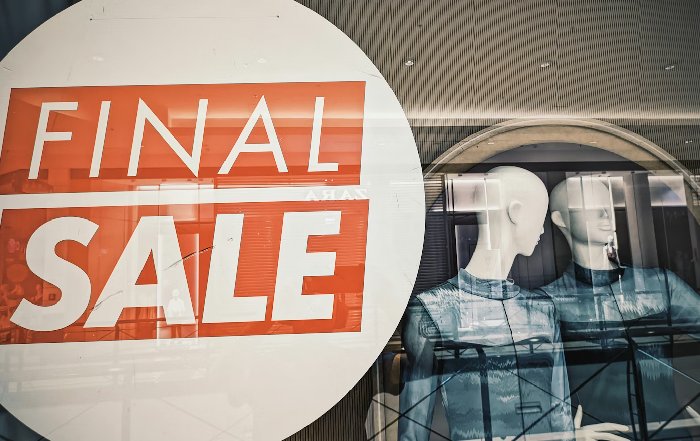
The Resale Economy Disrupts Traditional Retail Models
The Structural Shift Behind the Resale Boom
The resale economy has moved from the periphery of consumer culture to the core of global retail strategy, reshaping how value is created, captured and perceived across fashion, electronics, luxury goods, mobility and even enterprise assets. What began as a fragmented landscape of online marketplaces and peer-to-peer platforms has evolved into a sophisticated, data-driven ecosystem that is forcing traditional retailers, brand owners, investors and policymakers to rethink the fundamentals of ownership, pricing, sustainability and customer loyalty. For the followers of daily business news, this transformation is not a passing trend but a structural shift with direct implications for strategy, capital allocation, supply chains and employment in every major market from the United States and United Kingdom to Germany, Singapore and Brazil.
The acceleration of the resale economy has been driven by the convergence of several forces: advances in digital platforms and artificial intelligence that make matching, pricing and fraud detection more efficient; heightened consumer sensitivity to price and value amid inflationary pressures and uneven wage growth; regulatory and cultural momentum around sustainability and circularity; and the normalization of second-hand consumption among younger demographics who see pre-owned goods as both financially rational and socially responsible. As McKinsey & Company and other advisory firms have noted in their analyses of the circular economy, these dynamics are no longer confined to niche segments but are influencing mainstream retail strategies across North America, Europe and Asia, with implications for margins, inventory models and brand equity. Learn more about how circular models are reshaping global value chains at McKinsey's insights on the circular economy.
For established retailers and brands, the rise of the resale economy is simultaneously a threat and an opportunity. It threatens traditional sell-through models that depend on continuous production and full-price sales, while offering new revenue streams, lifetime customer engagement and powerful data about product durability and real-world usage. For investors and policy makers, it raises questions about how to value intangible assets like brand trust and how to regulate markets where ownership may change hands multiple times, often across borders and digital platforms. Against this backdrop, dailybusinesss.com has positioned itself as a guide for business leaders navigating this shift, connecting developments in AI and technology with trends in finance and markets, employment, sustainability and global trade.
From Thrift to Technology: How Resale Became a Scalable Business Model
Historically, resale was associated with local thrift shops, consignment stores and informal peer-to-peer exchanges. The turning point came with the rise of digital platforms that could aggregate supply and demand at scale, standardize listings, provide secure payments and build trust through ratings and guarantees. Companies such as eBay, The RealReal, Vinted, ThredUp and StockX demonstrated that second-hand markets could be both highly profitable and attractive to institutional investors, particularly when supported by robust data analytics and logistics networks. For a deeper understanding of how platform economics underpin these models, readers can explore platform competition analyses from the OECD.
The second major inflection point occurred when premium and luxury brands began to recognize that ignoring the secondary market was no longer viable. Instead of treating resale as a threat to their exclusivity, forward-thinking brands in Europe, the United States and Asia started to see it as a controlled extension of their ecosystem, enabling them to manage brand presentation, authentication and pricing throughout the product lifecycle. Gucci, Burberry and Patagonia, among others, have experimented with buy-back programs, certified pre-owned platforms and partnerships with specialist resale operators. These initiatives are not only commercial experiments but also responses to regulatory and consumer scrutiny of environmental impact, particularly in sectors such as fashion where waste and overproduction have attracted criticism from organizations like the Ellen MacArthur Foundation. Learn more about sustainable business practices and circular fashion models via the Ellen MacArthur Foundation resources.
A third driver of scale has been the integration of resale into mainstream retail channels. Large retailers in the United States, United Kingdom, Germany and the Nordics have begun to allocate physical floor space and digital storefront real estate to curated pre-owned sections, blending new and second-hand inventory under a single brand umbrella. This hybrid model, underpinned by detailed data on customer behavior and product performance, allows retailers to deepen relationships with value-conscious consumers while experimenting with dynamic pricing, subscription models and trade-in incentives. Readers seeking context on how omnichannel strategies are evolving in this environment can consult Deloitte's perspectives on the future of retail.
AI, Data and the New Infrastructure of Trust
In 2026, the resale economy is inseparable from advances in artificial intelligence, computer vision and data analytics. Trust, which is fundamental to any secondary market, increasingly depends on the ability of platforms and brands to verify authenticity, assess condition, forecast demand and detect fraud at scale. AI-driven image recognition tools can now analyze high-resolution photos to identify subtle defects, alterations or counterfeit indicators in luxury handbags, sneakers, electronics and watches, dramatically reducing the cost and time required for authentication. Leading global consultancies such as PwC have documented how AI and machine learning are transforming risk management and fraud prevention in digital commerce; readers can explore these trends in more detail at PwC's AI in business insights.
At the same time, data generated by millions of resale transactions is becoming a strategic asset in its own right. Platforms and brands can track how long products remain in use, how often they are resold, how their prices evolve over time and which markets or demographics exhibit the strongest secondary demand. This information feeds back into product design, manufacturing quality and primary market pricing decisions, enabling more precise forecasting and reduced overproduction. For business leaders interested in how such data loops support circular business models, the World Economic Forum provides in-depth analysis on digital traceability and product passports, which can be explored through its resources on circular economy and value chains.
For dailybusinesss.com, the intersection of AI and resale is a central editorial focus, reflecting the way that artificial intelligence and technology are now integral to strategy across finance, investment and global trade. As regulatory frameworks in the European Union, United States and Asia tighten around AI governance and data protection, the platforms that succeed in resale will be those that embed transparency, explainability and robust cybersecurity into their systems, aligning with emerging standards from bodies such as the European Commission and national data protection authorities. Readers can examine the evolving regulatory environment through resources such as the European Commission's AI policy pages.
Financial Implications: Valuation, Capital Flows and Market Structure
The disruption caused by the resale economy is being closely watched by investors, analysts and financial institutions, as it alters demand patterns, asset valuations and capital flows across multiple sectors. Traditional retailers and consumer brands are being forced to reconsider how they measure lifetime customer value, inventory risk and margin structure when a significant share of product usage and value realization occurs outside the primary sale. Analysts at Goldman Sachs, Morgan Stanley and other global banks have begun to integrate secondary market dynamics into their coverage of listed retailers, luxury houses and e-commerce platforms, noting that the most resilient business models are those that treat resale as a complementary channel rather than a competitor. For an overview of how changing consumer behavior is affecting equity valuations and sector outlooks, readers can consult the research perspectives offered by the Goldman Sachs Global Investment Research portal.
Private equity and venture capital investors, meanwhile, have channeled significant capital into specialized resale platforms, logistics providers and authentication technology firms, betting that these infrastructures will become as critical to commerce as payment processors and cloud providers. The resilience of resale during economic downturns, when consumers trade down or seek liquidity by selling assets, has added to its appeal as a defensive investment theme. The International Monetary Fund has highlighted in its consumer and financial stability analyses how shifts in spending patterns, including the rise of second-hand markets, can moderate inflationary pressures and alter the transmission of monetary policy; interested readers can explore these macroeconomic perspectives through the IMF's research and analysis.
For executives and investors who follow dailybusinesss.com, these developments intersect directly with coverage of markets, economics and investment strategies. The challenge is to distinguish between short-term hype and durable structural change, assessing which business models have defensible moats based on technology, network effects, brand partnerships and regulatory positioning. As more companies integrate resale into their core strategies, traditional valuation metrics will need to adapt to reflect recurring revenue from buy-back programs, data monetization and extended service offerings.
Sustainability, Regulation and the Politics of Circularity
One of the most powerful narratives underpinning the resale economy is its alignment with sustainability and the broader transition to a circular economy. By extending the life of products and reducing the need for new production, resale can materially lower resource consumption, greenhouse gas emissions and waste, particularly in resource-intensive sectors such as fashion, electronics and automotive. Organizations like the United Nations Environment Programme and OECD have emphasized the role of reuse and repair in achieving climate and resource efficiency targets; business leaders can learn more about these frameworks by exploring the UNEP's circularity and sustainable consumption resources.
However, the relationship between resale and sustainability is more complex than it first appears. If resale platforms stimulate additional consumption by lowering effective prices or encouraging frequent upgrades, the net environmental benefit can be diluted. Regulators in the European Union, United Kingdom and other markets are therefore examining how resale fits within broader policies on eco-design, extended producer responsibility and right-to-repair legislation. The emerging concept of digital product passports, which would track materials, ownership and repair history throughout a product's life, is likely to become a critical enabler of both sustainable resale and regulatory compliance. The European Environment Agency offers detailed analysis on how such instruments can support circular business models, which can be explored through its work on circular economy and resource use.
For dailybusinesss.com, sustainability is not a peripheral theme but a core lens through which developments in business, technology and global trade are assessed. The rise of the resale economy is influencing corporate ESG strategies, investor stewardship priorities and consumer expectations across markets from Canada and Australia to South Korea and South Africa. In parallel, NGOs and consumer advocacy groups are pressing for greater transparency around the true environmental impact of resale operations, including logistics emissions and packaging waste, which means that companies can no longer rely on generic sustainability claims but must provide verifiable data and clear communication.
Labor, Skills and the Future of Work in a Resale-Driven Economy
The growth of the resale economy is also reshaping labor markets and skill requirements across logistics, retail, technology and customer service. While some fear that the shift towards digital platforms and automation will reduce employment in traditional retail roles, the reality is more nuanced. New job categories are emerging around authentication, refurbishment, quality control, data science, AI engineering and customer experience design for circular business models. At the same time, warehouse operations, last-mile delivery and reverse logistics are expanding to handle the increased flow of goods back from consumers to centralized processing hubs. The International Labour Organization has examined how digital platforms and new business models are transforming employment relations, which can be further explored through its resources on future of work and digitalization.
For workers in countries such as the United States, United Kingdom, Germany, India and Brazil, the challenge is to adapt to roles that combine digital literacy with domain expertise, such as evaluating the condition of high-value electronics, implementing AI-based fraud detection systems or managing cross-border compliance for used goods. Education systems and corporate training programs will need to evolve accordingly, emphasizing lifelong learning and cross-functional capabilities. Readers of dailybusinesss.com who follow developments in employment and labor markets will recognize that these shifts mirror broader trends in the digital economy, where value increasingly accrues to those who can interpret data, manage complex systems and build trust in intangible services.
The rise of resale also intersects with debates over platform work, worker protections and the distribution of value between platform owners, sellers and service providers. Regulators in Europe, North America and Asia are considering whether workers involved in logistics, authentication or customer support for resale platforms should be classified as employees or independent contractors, with implications for social protections and bargaining power. The way these questions are resolved will shape not only the cost structure of resale operations but also their social legitimacy and long-term resilience.
Crypto, Tokenization and the Digital Layer of Resale
As digital assets and blockchain technologies mature, the resale economy is gaining a new dimension through tokenization, provenance tracking and programmable ownership. While the speculative boom in non-fungible tokens has cooled since its peak, the underlying infrastructure is being repurposed to support more pragmatic use cases in physical goods markets. Brands and platforms are experimenting with digital certificates of authenticity, stored on distributed ledgers, that travel with a product through multiple resale cycles, simplifying verification and enabling automated royalty payments to original creators or manufacturers. The World Bank and other institutions have explored how tokenization and digital identity can support more transparent and efficient markets; readers can learn more about these developments through the World Bank's work on digital economy and innovation.
For the audience of dailybusinesss.com, which closely follows crypto and digital assets, the intersection of blockchain and resale presents both promise and caution. On the one hand, tokenized ownership records can enhance trust, reduce fraud and open new financing models where inventory or even future resale flows can be used as collateral. On the other, regulatory uncertainty around digital assets, data privacy and cross-border transactions requires careful risk management and compliance strategies, particularly in jurisdictions with evolving rules such as the European Union's Markets in Crypto-Assets Regulation or the United States' approach to digital asset classification. As always, the key for business leaders is to distinguish between technological capabilities and speculative narratives, focusing on use cases that deliver measurable value in authentication, supply chain visibility and customer engagement.
Strategic Responses for Retailers and Founders
For incumbent retailers and emerging founders alike, the disruption driven by the resale economy demands a proactive and strategic response. Established retailers in sectors such as fashion, consumer electronics, home goods and automotive need to decide whether to build their own resale capabilities, partner with specialized platforms or integrate third-party marketplaces into their customer journeys. Each approach carries different implications for control over brand presentation, access to data, capital investment and operational complexity. Strategic frameworks from institutions like Harvard Business School provide useful lenses for evaluating make-or-buy decisions and platform participation; readers may find it valuable to explore Harvard's resources on digital transformation and platform strategy.
For founders in Europe, North America, Asia and beyond, the opportunities lie in solving specific friction points in the resale value chain: more efficient logistics networks for cross-border returns, AI-powered tools for small sellers, specialized vertical marketplaces for categories such as industrial equipment or B2B assets, and embedded financial services tailored to circular business models. The editorial focus of dailybusinesss.com on founders and entrepreneurship reflects a belief that the most successful ventures in this space will be those that combine deep domain expertise with a clear understanding of regulatory trends, sustainability imperatives and shifting consumer expectations.
The strategic question is no longer whether resale will matter but how deeply it will be integrated into core business models across sectors and regions. Companies that treat resale as a side project or marketing initiative risk missing the structural implications for product design, pricing, supply chain management and capital allocation. Those that embrace it as a central pillar of their value proposition will be better positioned to navigate economic volatility, regulatory change and evolving consumer values.
The Road Ahead: Resale as a Foundation of the Future Retail Economy
Looking toward the late 2020s, the trajectory of the resale economy suggests that it will become a foundational layer of global commerce rather than a niche adjunct. In mature markets such as the United States, United Kingdom, Germany, Japan and South Korea, consumers increasingly expect brands to provide clear pathways for resale, repair and refurbishment, and are beginning to factor these options into their initial purchase decisions. In emerging markets across Southeast Asia, Africa and Latin America, where price sensitivity is higher and infrastructure challenges are different, mobile-first platforms and social commerce are enabling innovative models of peer-to-peer resale and community-based marketplaces. The World Trade Organization has highlighted how digital trade and e-commerce are reshaping global value chains, including the movement of used goods; readers can explore these dynamics further through the WTO's work on e-commerce and digital trade.
For the global business community that turns to dailybusinesss.com for analysis of world developments, business trends and news, the message is clear: the resale economy is not merely a response to temporary economic or cultural conditions, but a manifestation of deeper shifts in how societies think about ownership, value, sustainability and technology. It reflects a move away from linear consumption models towards a more dynamic, multi-layered marketplace where products, data and capital circulate in complex loops.
In this emerging landscape, experience, expertise, authoritativeness and trustworthiness will be decisive differentiators. Platforms and brands that can demonstrate rigorous authentication, transparent environmental impact, responsible use of AI and fair treatment of workers will earn the confidence of consumers, regulators and investors. Those that rely on opaque practices or short-term arbitrage will find it increasingly difficult to operate in an environment of heightened scrutiny and sophisticated competition.
The most forward-looking organizations across the United States, Europe, Asia, Africa and the Americas are recognizing that engaging with the resale economy is not optional but essential to long-term competitiveness. Whether through strategic partnerships, internal innovation or targeted acquisitions, they are integrating resale into their core strategies, aligning it with digital transformation, ESG commitments and talent development. For decision-makers seeking to navigate this transition, dailybusinesss.com will continue to connect developments in AI, finance, crypto, economics, employment, founders, markets, sustainability, technology, travel and trade, offering a cohesive perspective on how the resale economy is fundamentally reshaping traditional retail models and, with them, the future of global commerce.
