
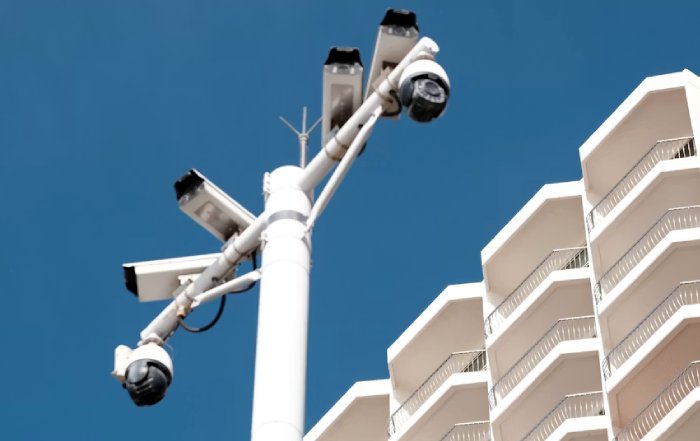
Workplace Surveillance Tools Spark Global Debate
The New Visibility of Work
Workplace surveillance has moved from the margins of corporate practice to the center of strategic debate, forcing executives, policymakers, and employees to reassess what productivity, privacy, and trust mean in a digitized economy. What began as a pragmatic response to remote work during the COVID-19 pandemic has evolved into a sophisticated ecosystem of monitoring technologies that track keystrokes, analyze communication patterns, log location data, and even assess emotional tone, creating a level of visibility into daily work that would have been unthinkable a decade ago. For readers of DailyBusinesss.com, whose interests span artificial intelligence, finance, global markets, employment, and the future of work, the controversy surrounding these tools is no longer theoretical; it is reshaping organizational culture, regulatory frameworks, and competitive dynamics across North America, Europe, Asia, and beyond.
As companies in the United States, the United Kingdom, Germany, Canada, Australia, Singapore, and other innovation-driven economies confront a tight talent market, hybrid work models, and rising cyber risks, they are increasingly turning to digital monitoring to secure assets and optimize performance, even as employees and regulators question whether such practices undermine autonomy and fundamental rights. The debate over workplace surveillance is therefore not simply about software; it is about power, accountability, and the evolving social contract between employers and workers in a world where data is the primary currency of value creation.
From Time Clocks to Algorithmic Oversight
The concept of monitoring workers is not new; factories in the early twentieth century used time clocks and supervisors on the shop floor to ensure attendance and output, while call centers in the 1990s and 2000s tracked call duration and resolution metrics with growing sophistication. What differentiates the current era is the convergence of cloud computing, ubiquitous connectivity, and artificial intelligence, which together enable continuous, granular, and often automated oversight of white-collar and knowledge work that once seemed impossible to measure.
Modern workplace surveillance tools span a wide spectrum. Some, such as basic log-in tracking and VPN monitoring, are presented as routine IT security measures designed to protect networks and sensitive data, while others, including screen recording, webcam-based presence detection, and detailed productivity dashboards, seek to quantify how employees allocate their time and attention. Advanced platforms now incorporate machine learning models to flag "risky" behavior, predict attrition, or score employees on engagement and performance, drawing on large volumes of behavioral data that were rarely collected in earlier eras.
Organizations such as Microsoft, Google, and Meta have integrated monitoring capabilities into widely used collaboration suites like Microsoft 365, Google Workspace, and enterprise messaging tools, while specialized vendors in the United States, Europe, and Asia offer dedicated "employee productivity" and "insider risk" solutions. As the International Labour Organization and other global bodies have observed, this shift from analog supervision to digital oversight is part of a broader transformation of work driven by automation and datafication, raising fundamental questions about how far employers should go in observing their staff and how that data should be governed. Readers can explore broader labor trends through resources such as the ILO's work on digitalization and the future of work.
The Remote and Hybrid Work Catalyst
The acceleration of workplace surveillance is closely tied to the rapid adoption of remote and hybrid work models, particularly in advanced economies such as the United States, the United Kingdom, Germany, Canada, Australia, and the Nordic countries. When offices closed in 2020 and 2021, many organizations lacked the managerial experience and digital infrastructure necessary to manage distributed teams, and some turned to monitoring tools as a way to maintain oversight, reassure investors, and protect against perceived declines in productivity.
By 2026, remote and hybrid arrangements have stabilized as a permanent feature of the labor market, especially in technology, finance, professional services, and creative industries, as documented by research from institutions such as the OECD and the World Economic Forum. Yet the legacy of those early adoption decisions remains visible in the software stacks of many multinational corporations, where monitoring tools have become normalized as part of the digital workplace infrastructure. In markets such as the United States and Canada, surveys by organizations like the Pew Research Center have reported that a significant share of remote workers are aware of some form of monitoring, whether it involves email scanning, application usage tracking, or more invasive measures.
For employers, the argument in favor of such tools often centers on accountability and fairness, particularly when performance-based compensation, bonuses, or promotions depend on measurable contributions. For employees in cities such as London, Berlin, Toronto, Sydney, and Singapore, however, the experience can feel like a digital panopticon, where every click is potentially recorded and interpreted, eroding the sense of trust that underpins effective collaboration. DailyBusinesss.com, through its coverage of employment trends and the future of work, has highlighted how this tension is influencing job satisfaction, retention, and employer branding across sectors.
AI-Powered Monitoring: From Data Collection to Behavioral Prediction
What distinguishes the current generation of workplace surveillance tools from earlier iterations is not only the volume of data collected but the use of artificial intelligence to interpret that data and automate managerial decisions. AI-driven platforms now analyze email metadata, chat logs, calendar events, and application usage to infer collaboration patterns, identify "high performers," and detect potential burnout or disengagement, often presenting results in dashboards that executives can access in real time.
Major enterprise software providers such as Microsoft with its Viva suite, and specialized analytics firms in the United States, Europe, and Asia, are promoting AI-enabled "workplace analytics" as a way to optimize team structures, reduce meeting overload, and improve well-being, while cybersecurity vendors integrate behavioral analytics to detect insider threats and anomalous access patterns. Organizations interested in the technical underpinnings of these systems can explore resources from the Association for Computing Machinery or policy guidance from the OECD's AI Observatory.
At the same time, the rise of generative AI and large language models has introduced new forms of content and communication monitoring. Some employers now use AI to scan internal communications for harassment, discrimination, or data leakage, while others analyze customer interactions to evaluate service quality and compliance in regulated industries such as banking, insurance, and healthcare. As DailyBusinesss.com explores in its dedicated coverage of artificial intelligence and technology innovation, these capabilities promise efficiency and risk reduction but also raise concerns about overreach, algorithmic bias, and the chilling effect on open dialogue within organizations.
Legal and Regulatory Fault Lines Across Regions
The legality and limits of workplace surveillance vary significantly across jurisdictions, creating a complex compliance landscape for multinational corporations operating in North America, Europe, Asia-Pacific, and emerging markets. In the European Union, the General Data Protection Regulation (GDPR) and national labor laws in countries such as Germany, France, Spain, Italy, the Netherlands, Sweden, Denmark, and Finland impose strict requirements on data minimization, transparency, and proportionality, often requiring consultation with works councils or unions before implementing monitoring technologies. The European Data Protection Board has issued guidance emphasizing that employees are in a position of structural power imbalance, making consent an unreliable legal basis for intrusive surveillance.
In the United States, where employment law is more fragmented and privacy protections often weaker, the regulatory environment is more permissive, though evolving. Some states, including California, Colorado, and Connecticut, have enacted or proposed laws that require employers to disclose electronic monitoring or limit certain practices, while sector-specific regulations such as those enforced by the Securities and Exchange Commission or Financial Industry Regulatory Authority mandate retention and supervision of communications in finance. Resources such as the U.S. Department of Labor and the National Conference of State Legislatures provide overviews of these developments.
In the United Kingdom, post-Brexit data protection law remains closely aligned with the EU model, and the Information Commissioner's Office has issued guidance on monitoring at work, stressing the need for impact assessments and clear justification. Across Asia, frameworks are more diverse: Singapore's Personal Data Protection Act, South Korea's stringent data protection regime, and Japan's evolving guidelines reflect a growing emphasis on employee privacy, while China's Personal Information Protection Law introduces rigorous obligations for companies operating in its market. For executives tracking these shifts, international organizations such as the Council of Europe and research centers like the Berkman Klein Center for Internet & Society offer comparative perspectives on digital rights and workplace monitoring.
Ethical Tensions: Productivity Versus Privacy
Beyond legal compliance, the debate over workplace surveillance is fundamentally ethical, touching on autonomy, dignity, and the nature of trust in modern organizations. Proponents argue that in sectors where data breaches, fraud, or regulatory violations can result in severe financial, reputational, and legal consequences, employers have a legitimate interest in monitoring digital activity to protect stakeholders and ensure compliance. Financial institutions in New York, London, Frankfurt, Zurich, Singapore, and Hong Kong, for example, must meet stringent record-keeping and trading surveillance requirements, leading them to adopt advanced monitoring systems that capture and analyze trader communications and transactions.
Critics, including privacy advocates, labor unions, and academic researchers, contend that pervasive surveillance can create a culture of fear and micromanagement that undermines intrinsic motivation, creativity, and psychological safety, particularly in knowledge-intensive industries where innovation depends on open experimentation and candid feedback. Research from organizations such as the American Psychological Association and the Chartered Institute of Personnel and Development has highlighted how perceived lack of control and constant monitoring can contribute to stress, burnout, and disengagement, especially among younger workers in urban centers like Berlin, Amsterdam, Paris, Toronto, and Melbourne.
For the global readership of DailyBusinesss.com, which includes founders, investors, and senior executives, this ethical tension has direct strategic implications. Companies that over-rely on surveillance risk damaging their employer brand in competitive talent markets, where skilled professionals in AI, finance, technology, and crypto increasingly prioritize organizations that demonstrate respect for privacy and autonomy. At the same time, boards and regulators expect robust risk management and compliance, particularly in sectors that handle sensitive financial, health, or national security data, creating a delicate balancing act that requires nuanced governance rather than one-size-fits-all solutions.
Economic and Productivity Implications
From an economic perspective, the spread of workplace surveillance tools is often justified by reference to productivity gains, cost savings, and risk reduction, yet the empirical evidence remains mixed and context-dependent. Some organizations report that monitoring software has helped identify process inefficiencies, reduce time spent in unnecessary meetings, and optimize staffing levels, contributing to improved margins and more accurate performance management. In markets where labor costs are high, such as the United States, Germany, Switzerland, and the Nordic countries, even modest gains in productivity can have significant financial impact, which explains why boards and investors are often receptive to technology-driven oversight proposals.
However, studies by institutions such as the London School of Economics and the MIT Sloan School of Management have suggested that the relationship between monitoring and productivity is non-linear; beyond a certain threshold, increased surveillance can diminish trust and intrinsic motivation, leading to counterproductive behaviors such as "gaming the metrics," disengagement, or quiet quitting. For example, when employees feel that every second of their day must be justified to an algorithm, they may prioritize visible activity over meaningful outcomes, focusing on tasks that are easily measured rather than those that drive long-term value.
For investors and analysts following trends on global markets and corporate performance via DailyBusinesss.com, the key question is whether surveillance technologies genuinely enhance sustainable productivity or merely create short-term efficiency gains at the expense of culture and innovation. Economists at organizations such as the World Bank and IMF have emphasized that long-term growth in advanced economies depends heavily on intangible assets such as human capital, organizational know-how, and trust, all of which may be undermined if employees perceive that they are constantly watched and evaluated by opaque systems.
Sectoral Differences: Finance, Tech, Crypto, and Beyond
The intensity and nature of workplace surveillance vary considerably across sectors, reflecting differences in regulatory requirements, risk profiles, and competitive dynamics. In finance and banking, particularly in hubs such as New York, London, Frankfurt, Zurich, Singapore, and Hong Kong, monitoring of communications and transactions is deeply embedded in compliance frameworks, driven by anti-money-laundering rules, market abuse regulations, and client protection obligations. Trading floors, investment banks, and asset managers have long used sophisticated surveillance tools to detect insider trading, collusion, and rule violations, and these systems have become more advanced with the integration of AI and natural language processing. Readers can explore broader financial regulation trends through resources such as the Bank for International Settlements.
In the technology sector, companies in the United States, Canada, Europe, South Korea, and Japan are both vendors and users of monitoring technologies, often piloting AI-driven analytics internally before commercializing them. While some tech firms emphasize flexible, trust-based cultures to attract software engineers and data scientists, others deploy behavioral analytics to protect intellectual property and guard against insider threats, particularly in competitive fields such as AI, cybersecurity, and semiconductor design. Through its coverage of tech industry developments, DailyBusinesss.com has highlighted how these divergent approaches influence employer reputation and talent mobility across global innovation hubs.
In the crypto and digital asset space, where regulatory scrutiny and fraud risks are high, firms operating in the United States, Europe, Singapore, and emerging markets increasingly monitor internal and external communications, on-chain activity, and developer access to critical infrastructure, in order to comply with evolving standards and reassure institutional investors. Readers interested in how surveillance intersects with digital assets can explore related analysis on crypto and blockchain markets and investment strategies. Other sectors, including healthcare, logistics, manufacturing, and travel, also deploy monitoring tools tailored to their operational realities, from GPS tracking of delivery fleets across North America and Europe to biometric access control in hospitals and airports in Asia and the Middle East.
Employee Reactions and the War for Talent
The rise of workplace surveillance is unfolding against the backdrop of a persistent war for talent, particularly in high-skill roles related to AI, data science, cybersecurity, finance, and advanced manufacturing. In markets such as the United States, United Kingdom, Germany, Canada, Australia, Singapore, and the Netherlands, employees with in-demand skills have significant bargaining power and often scrutinize employer practices related to privacy, flexibility, and culture when choosing where to work. Surveys by organizations like the Gallup organization and the World Economic Forum have indicated that trust in leadership and perceived respect for personal boundaries are key drivers of engagement and retention, especially among younger generations entering the workforce.
Reactions to monitoring vary by region, age, and sector. In some contexts, such as call centers or logistics operations in South Africa, Brazil, Malaysia, and parts of Asia, employees may view certain forms of monitoring as a normal part of operational management, particularly when tied to safety, performance incentives, or customer service standards. In knowledge-intensive roles in Europe and North America, however, there is often greater sensitivity to perceived intrusions into autonomy and privacy, with employees more likely to resist or challenge invasive practices, sometimes leveraging unions, works councils, or public opinion to push back.
For employers seeking to attract and retain talent across continents, the strategic question is not merely whether to deploy surveillance tools but how they are communicated, governed, and integrated into broader people strategies. DailyBusinesss.com, through its reporting on employment trends and founder perspectives, has documented how transparent policies, clear boundaries, and employee participation in decision-making can mitigate backlash and align monitoring practices with organizational values.
Governance, Transparency, and Trust by Design
As the debate intensifies, leading organizations are beginning to adopt more sophisticated governance frameworks for workplace surveillance, moving beyond ad hoc tool deployment toward "trust by design" approaches that integrate legal, ethical, and strategic considerations. This often involves conducting privacy impact assessments, defining clear purposes and limits for data collection, and establishing oversight mechanisms involving HR, legal, IT, and, where appropriate, employee representatives or unions.
Transparency is emerging as a critical differentiator. Companies that provide employees with clear, accessible explanations of what is monitored, why it is necessary, how long data is retained, and who can access it tend to face less resistance than those that implement tools quietly or rely on opaque algorithmic scoring systems. Some organizations now allow employees to view their own data dashboards, turning monitoring into a tool for self-management and development rather than purely top-down control, an approach aligned with guidance from bodies such as the European Union Agency for Fundamental Rights.
For the readership of DailyBusinesss.com, which includes decision-makers responsible for global operations, risk management, and ESG strategies, the governance of workplace surveillance intersects with broader themes of responsible technology use and sustainable business practices. Companies that integrate privacy and digital rights into their ESG narratives, and that align monitoring with clear, proportionate objectives, are better positioned to maintain trust among employees, regulators, and investors, particularly in markets where social expectations around corporate responsibility are rising.
The Road Ahead: Toward a New Social Contract of Work
Looking beyond 2026, the trajectory of workplace surveillance will be shaped by converging forces: rapid advances in AI and data analytics, evolving legal frameworks, shifting employee expectations, and intensifying competition across global markets. As generative AI becomes more deeply embedded in enterprise workflows, the volume and sensitivity of data available for analysis will increase, offering both opportunities for smarter management and risks of deeper intrusion. At the same time, regulators in the European Union, United States, United Kingdom, and other jurisdictions are examining the broader societal impacts of AI and automated decision-making, which is likely to result in more explicit rules governing algorithmic monitoring, profiling, and worker rights.
For global businesses, the challenge will be to design monitoring practices that are not only legally compliant across diverse jurisdictions but also aligned with a coherent, values-driven narrative that resonates with employees in cities as varied as New York, London, Berlin, Paris, Toronto, Singapore, Tokyo, Seoul, Bangkok, Johannesburg, São Paulo, and Wellington. The organizations that succeed will likely be those that treat data about workers not as a resource to be exploited but as a shared asset to be managed with care, transparency, and mutual benefit, embedding privacy and autonomy into their operational and cultural DNA.
As DailyBusinesss.com continues to cover developments in economics and global policy, business strategy, and the future of technology and trade, workplace surveillance will remain a defining lens through which to understand the evolving relationship between people, data, and power in the modern enterprise. The debate is far from settled, but one conclusion is increasingly clear: in an era where every interaction can be measured, the true competitive advantage may lie not in how much organizations monitor, but in how wisely, fairly, and transparently they choose to do so.
