
The Creator of New Luxury Markets in the Middle East
Reframing Global Luxury from the Gulf
By 2026, the narrative of global luxury has shifted decisively toward the Middle East, and particularly toward the Gulf Cooperation Council, where a new generation of market creators is redefining what high-end consumption, lifestyle, and investment mean for affluent consumers from New York to Singapore. For readers of DailyBusinesss.com, this transformation is not a remote regional story but a central case study in how capital, culture, technology, and policy converge to build entirely new markets at speed and scale. While traditional luxury powerhouses in France, Italy, and Switzerland still dominate heritage categories such as haute couture and fine watchmaking, the Middle East has become the world's most ambitious laboratory for integrated luxury ecosystems that blend real estate, tourism, art, entertainment, wellness, and digital innovation into a single, orchestrated value proposition.
The creator of these new luxury markets is not a single individual or corporation but a complex coalition of state-backed visionaries, sovereign wealth funds, global luxury groups, family-owned conglomerates, and entrepreneurial founders who share a long-term view that places the Middle East at the center of the next era of global consumption. This coalition has turned cities such as Dubai, Abu Dhabi, Riyadh, and Doha into strategic nodes where ultra-high-net-worth individuals from Europe, Asia, North America, and Africa converge, invest, and increasingly choose to live and work. To understand how this has happened, it is essential to examine the interplay of policy ambition, financial firepower, technological adoption, and cultural repositioning that has unfolded over the past decade and is now reaching maturity.
Vision, Policy, and the Architecture of Luxury Demand
The emergence of new luxury markets in the Middle East is anchored in national visions that explicitly connect economic diversification with high-end lifestyle and tourism. Saudi Arabia's Vision 2030, UAE Vision 2031, and Qatar National Vision 2030 have all positioned luxury tourism, premium real estate, and cultural infrastructure as core pillars of post-hydrocarbon growth. These strategies have been executed with unusual speed and scale, supported by sovereign wealth funds such as the Public Investment Fund (PIF) in Saudi Arabia and Mubadala and ADQ in the UAE, which have become pivotal global investors in sectors ranging from hospitality to entertainment and advanced technology. Readers can explore how these sovereign strategies intersect with global financial flows by following the macroeconomic coverage on DailyBusinesss Economics.
In Saudi Arabia, mega-projects such as NEOM, The Red Sea, and Diriyah are not simply tourism developments but carefully designed luxury ecosystems intended to attract global elites with a blend of sustainability, technological sophistication, and curated cultural experiences. In the United Arab Emirates, Dubai has evolved from a regional trading hub to a global luxury capital, with integrated districts that combine ultra-prime residential towers, flagship stores of LVMH, Kering, and Richemont, Michelin-starred dining, and world-class entertainment venues. Policy has been a decisive enabler: long-term residency visas, zero personal income tax, liberal property ownership rules, and business-friendly regulatory regimes have all contributed to making the Gulf an attractive destination for entrepreneurs, investors, and high-net-worth individuals from Germany, United Kingdom, India, China, and beyond.
To contextualize these policy shifts in the broader global landscape, business leaders often consult resources such as the World Bank's country insights and the OECD's economic outlooks, which highlight how Gulf economies have outpaced many mature markets in growth, infrastructure investment, and regulatory modernization. This macroeconomic momentum has underpinned the confidence of global brands that see the region not only as a sales destination but as a strategic anchor in their long-term expansion plans.
Financial Powerhouses and the New Geography of Luxury Capital
The creation of new luxury markets in the Middle East is inseparable from the region's rapidly evolving financial architecture. Sovereign wealth funds, regional banks, family offices, and private equity firms have all become central actors in shaping the luxury landscape. PIF, Qatar Investment Authority (QIA), Abu Dhabi Investment Authority (ADIA), and Mubadala have invested heavily in luxury-related assets globally, including stakes in hotel groups, entertainment companies, and lifestyle platforms across Europe, North America, and Asia. These investments are not purely financial; they are strategic tools that bring brands, know-how, and partnerships back to the region, reinforcing the Middle East's role as a co-creator, not just a consumer, of luxury.
At the same time, regional capital markets have become more sophisticated, with major listings and secondary offerings in sectors such as hospitality, retail, and real estate attracting investors from London, Frankfurt, Toronto, and Sydney. Coverage of these listings and cross-border flows is increasingly prominent on DailyBusinesss Markets, where the intersection of local IPOs and global investor appetite is tracked in detail. International financial institutions such as Goldman Sachs, J.P. Morgan, and HSBC have expanded their Middle Eastern operations, while regional banks such as Emirates NBD, QNB Group, and Saudi National Bank have strengthened their wealth management offerings to capture the growing pool of affluent clients.
For those seeking a deeper understanding of how luxury spending intersects with wealth creation, resources such as the Credit Suisse Global Wealth Report and the Boston Consulting Group's luxury market studies provide data-driven analyses that highlight the Middle East's disproportionately high share of global luxury consumption relative to its population. This financial clout has allowed Gulf-based investors to negotiate favorable terms with global luxury houses, secure exclusive partnerships, and co-develop new concepts tailored to regional tastes and cultural expectations.
Readers of DailyBusinesss Finance have observed how the region's capital is increasingly being deployed not only into traditional luxury categories such as hotels and malls but also into digital platforms, fintech solutions for high-net-worth clients, and alternative investments including art funds, collectible cars, and rare watches. This diversification reflects a broader shift in the mindset of regional investors, who are positioning themselves at the forefront of global luxury innovation rather than remaining passive buyers of established brands.
Real Estate, Urban Design, and Experiential Luxury
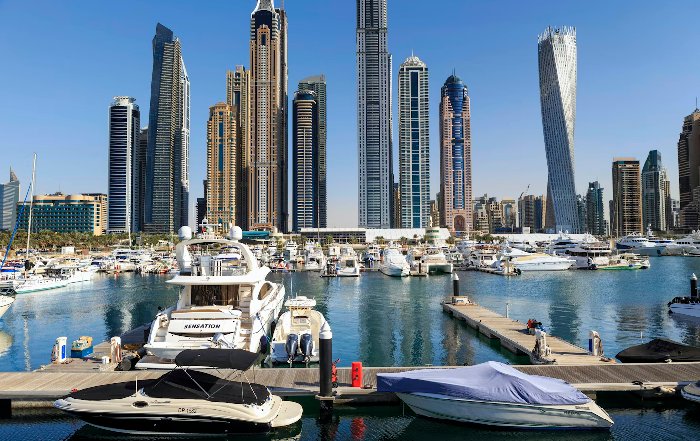
The physical manifestation of new luxury markets in the Middle East is most visible in the region's real estate and urban design. Ultra-prime residential projects in Dubai Marina, Palm Jumeirah, Downtown Dubai, Abu Dhabi's Saadiyat Island, Riyadh's Diplomatic Quarter, and Doha's The Pearl are no longer simply high-end apartments but integrated lifestyle offerings that combine concierge services, wellness facilities, private marinas, and direct access to luxury retail and fine dining. International consultancies such as Knight Frank and Savills have consistently ranked Dubai among the world's top-performing prime residential markets, as documented in their global wealth and property reports available on platforms like Knight Frank's research hub.
These developments are part of a broader trend toward experiential luxury that prioritizes time, privacy, and curated experiences over mere material accumulation. Ultra-luxury hotels operated by Four Seasons, Aman, Rosewood, Mandarin Oriental, and regional brands such as Jumeirah Group and Address Hotels + Resorts have created a hospitality ecosystem that caters to discerning travelers from United States, United Kingdom, Germany, China, and Japan, who seek personalized services, cultural immersion, and seamless digital integration. Industry insights from the World Travel & Tourism Council and UN Tourism underscore how the Gulf has become a global leader in high-yield tourism, with visitors spending more per trip than in many traditional luxury destinations.
For the audience of DailyBusinesss Travel, the Middle East represents a case study in how infrastructure investment, aviation connectivity, and brand partnerships can rapidly reposition a region on the global tourism map. Flagship carriers such as Emirates, Qatar Airways, and Etihad Airways have played a crucial role, turning Dubai, Doha, and Abu Dhabi into global transit hubs that double as luxury stopover destinations. Their premium cabins, airport lounges, and partnership ecosystems with hotels, credit card providers, and lifestyle brands exemplify the integrated approach that now defines the region's luxury proposition.
Technology, AI, and the Digitalization of Luxury
No analysis of new luxury markets in the Middle East would be complete without examining the role of technology and artificial intelligence in reshaping how high-end consumers discover, evaluate, and purchase products and experiences. The Gulf has positioned itself as an early adopter of AI across sectors, with Dubai's Smart City strategy, Saudi Arabia's National Strategy for Data & AI, and Qatar's digital transformation agenda all emphasizing the use of advanced analytics, machine learning, and automation to enhance customer journeys. Global technology companies such as Microsoft, Google, Amazon Web Services, and IBM have established regional hubs and cloud regions, enabling luxury retailers and hospitality operators to deploy sophisticated personalization engines and predictive analytics.
Luxury brands in the region increasingly rely on AI-driven tools to segment customers, forecast demand, and tailor marketing campaigns, while malls and mixed-use developments deploy computer vision and IoT sensors to optimize foot traffic, store layouts, and service delivery. Executives and founders following DailyBusinesss AI and DailyBusinesss Tech can observe how the Gulf has become a proving ground for AI-enhanced retail, from virtual stylists and smart fitting rooms to dynamic pricing and real-time inventory management. Industry reports from organizations such as McKinsey & Company and Deloitte highlight how AI adoption in retail and hospitality is particularly advanced in markets where infrastructure is new and regulators are open to experimentation, conditions that describe much of the GCC.
Beyond AI, the region has also embraced immersive technologies, including augmented reality and virtual reality, to create hybrid luxury experiences that blend physical and digital touchpoints. Flagship stores in Dubai and Riyadh offer virtual try-on solutions, 3D product visualization, and exclusive digital content accessible only to top-tier clients. The proliferation of 5G networks and high smartphone penetration rates across United Arab Emirates, Saudi Arabia, Qatar, and Bahrain have further enabled luxury brands to deliver seamless omnichannel experiences that integrate e-commerce, social media, and in-store engagement. Insights from the GSMA's Mobile Economy reports illustrate how these technological foundations have positioned the Middle East at the forefront of digital luxury innovation.
Crypto, Digital Assets, and the Tokenization of Luxury
The intersection of crypto, digital assets, and luxury has been particularly dynamic in the Middle East, where regulators have moved relatively quickly to establish frameworks for virtual assets, and where affluent, tech-savvy consumers have shown strong appetite for alternative investments. Dubai's Virtual Assets Regulatory Authority (VARA), Abu Dhabi Global Market (ADGM), and Bahrain's Central Bank have all introduced licensing regimes for crypto exchanges and digital asset service providers, attracting global players such as Binance, Crypto.com, and OKX alongside regional platforms. This regulatory clarity has encouraged luxury brands and hospitality groups to experiment with crypto payments, NFT-based loyalty programs, and tokenized ownership models for real estate, art, and collectibles.
For readers of DailyBusinesss Crypto and DailyBusinesss Investment, the Middle East offers a glimpse into how digital assets can be integrated into mainstream luxury propositions. High-end developments have begun to explore tokenized fractional ownership structures that allow investors from Canada, Australia, Singapore, and Brazil to participate in prime real estate projects with lower entry thresholds, while maintaining the exclusivity and prestige associated with traditional ultra-prime assets. Industry observers can follow regulatory developments and market trends through resources such as the Bank for International Settlements and the International Monetary Fund, which regularly analyze the implications of digital assets for global finance and capital markets.
NFTs and digital collectibles have also found a receptive audience among younger affluent consumers in the Gulf, who are comfortable navigating both physical and digital luxury ecosystems. Regional art fairs, galleries, and auction houses have started to incorporate NFT drops and digital art exhibitions into their programming, positioning cities like Dubai and Riyadh as emerging hubs for Web3-enabled culture. This convergence of crypto, art, and luxury is indicative of a broader shift toward experiential, community-driven value creation, where ownership is as much about identity and belonging as it is about financial return.
Founders, Family Businesses, and Local Luxury Champions
While global brands and state-backed entities often dominate headlines, the creation of new luxury markets in the Middle East has also been driven by a dynamic community of founders, family-owned conglomerates, and local champions who understand the nuances of regional culture and consumer behavior. Groups such as Chalhoub Group, Al Tayer Group, Alshaya Group, and Majid Al Futtaim have played a pivotal role in bringing international luxury brands to the region, while also incubating homegrown concepts in fashion, beauty, hospitality, and experiential retail. Their ability to localize global brands, negotiate exclusive partnerships, and invest in talent development has been central to the maturation of the regional luxury ecosystem.
Entrepreneurial founders across United Arab Emirates, Saudi Arabia, Qatar, Kuwait, and Bahrain have also launched niche brands that combine regional heritage with contemporary design and global ambitions, spanning categories from modest fashion and fine jewelry to artisanal fragrances and boutique hotels. These founders are increasingly visible on platforms like DailyBusinesss Founders, where their stories illustrate how local insight, digital fluency, and cross-border ambition can create brands that resonate with consumers in London, Paris, Milan, Hong Kong, and New York.
To understand the broader entrepreneurial context, readers often turn to resources such as the Global Entrepreneurship Monitor and the World Economic Forum, which document how Gulf economies have improved their startup ecosystems, access to capital, and regulatory support for innovation. This entrepreneurial vibrancy has further diversified the luxury landscape, ensuring that the region is not solely dependent on imported brands but is actively shaping global tastes and trends.
Sustainability, ESG, and the Ethics of New Luxury
The rapid development of luxury markets in the Middle East has inevitably raised questions about environmental impact, social equity, and long-term sustainability. In response, governments and corporations across the region have increasingly integrated ESG considerations into their strategies, seeking to align new luxury developments with global climate goals and responsible business practices. Projects such as The Red Sea and Amaala in Saudi Arabia have positioned themselves as regenerative tourism destinations, emphasizing conservation, renewable energy, and community engagement. Similarly, new urban districts in Dubai and Abu Dhabi are being designed with green building standards, smart mobility solutions, and circular economy principles in mind.
For business leaders and investors following DailyBusinesss Sustainable, the Middle East offers both cautionary tales and best-practice examples of how to balance ambition with responsibility. International frameworks such as the United Nations Sustainable Development Goals and the Task Force on Climate-related Financial Disclosures are increasingly referenced in corporate reports and government strategies across the region, while global bodies like the International Energy Agency track how Gulf economies are investing in renewable energy, hydrogen, and carbon capture technologies. Luxury consumers, particularly from Nordic countries such as Sweden, Norway, and Denmark, as well as from Germany, France, and United Kingdom, are placing greater emphasis on sustainability credentials when choosing destinations, brands, and experiences, prompting regional players to elevate their ESG performance.
The ethical dimension of luxury also extends to labor practices, cultural authenticity, and community inclusion. Regulators and companies face increasing scrutiny from international NGOs and media regarding employment standards, migrant worker rights, and local community benefits. While progress has been made in areas such as worker welfare reforms and cultural preservation, the long-term legitimacy of new luxury markets in the Middle East will depend on continued improvements in transparency, accountability, and stakeholder engagement.
Employment, Skills, and the Future of Work in Luxury
The expansion of luxury markets in the Middle East has had a significant impact on employment and skills development, creating new career paths in hospitality, retail, marketing, design, technology, and asset management. Nationalization policies such as Saudi Arabia's Saudization and UAE's Emiratization have encouraged companies to hire and train local talent, leading to the emergence of a new generation of regional professionals who are fluent in both global business practices and local cultural dynamics. Insights and trends in these labor market shifts are regularly analyzed on DailyBusinesss Employment, where readers can track how luxury-related sectors contribute to job creation and skills upgrading.
Educational institutions and vocational training centers across the region have responded by offering specialized programs in hospitality management, fashion design, luxury marketing, and digital commerce, often in partnership with international schools and universities. Organizations such as École hôtelière de Lausanne, Institut Français de la Mode, and Polimoda have collaborated with regional partners to deliver tailored curricula that prepare students for careers in high-end sectors. Global bodies like the International Labour Organization and UNESCO have highlighted how such collaborations can support human capital development and youth employment in rapidly diversifying economies.
At the same time, the integration of AI and automation into luxury operations is reshaping job roles and skill requirements. Routine tasks in retail and hospitality are increasingly being automated, while demand grows for data analysts, digital marketers, customer experience designers, and sustainability specialists. Business leaders must therefore navigate a dual challenge: leveraging technology to enhance productivity and customer experience, while investing in continuous learning and reskilling to ensure that the workforce remains relevant and engaged.
Trade, Connectivity, and the Middle East as a Global Luxury Hub
The creation of new luxury markets in the Middle East is also a story of trade and connectivity. Strategically located at the crossroads of Europe, Asia, and Africa, the region has leveraged its geographic position to become a global logistics and distribution hub for high-end goods. Free zones, advanced ports, and world-class airports have enabled efficient import, storage, and re-export of luxury products, serving not only local consumers but also markets in Africa, South Asia, and Central Asia. For executives and investors tracking these flows, DailyBusinesss Trade and DailyBusinesss World provide ongoing coverage of trade agreements, logistics investments, and supply chain innovations that underpin the region's rise as a luxury gateway.
International organizations such as the World Trade Organization and the International Chamber of Commerce offer further insight into how trade policies, customs procedures, and digital trade rules affect the movement of high-value goods and services. As cross-border e-commerce grows, luxury brands are increasingly using Middle Eastern hubs to serve customers in emerging markets with faster delivery times and better after-sales support. This integration into global value chains reinforces the region's position not only as a destination for luxury consumption but as an active participant in the production, distribution, and innovation of high-end goods and services.
A New Center of Gravity for Global Luxury
By 2026, it has become clear that the Middle East is no longer a peripheral market or a seasonal destination for global luxury brands; it is a new center of gravity that actively shapes the future of high-end consumption, investment, and lifestyle. The creator of these new luxury markets is a distributed network of state leaders, sovereign funds, global corporations, local conglomerates, visionary founders, technologists, and consumers whose aspirations and decisions intersect in cities such as Dubai, Riyadh, Abu Dhabi, and Doha. Their collective actions have produced an ecosystem where policy ambition, financial strength, technological innovation, and cultural confidence reinforce one another, generating a virtuous cycle of growth and reinvention.
For the global business community that turns to DailyBusinesss Business and the broader DailyBusinesss.com platform for strategic insight, the Middle Eastern luxury story offers critical lessons. It demonstrates how long-term vision, aligned capital, and agile regulation can create new markets even in a highly competitive global environment; how technology and data can be harnessed to deliver hyper-personalized experiences at scale; how sustainability and ESG considerations are becoming non-negotiable components of premium positioning; and how talent development and cultural authenticity are essential to building trust and enduring brand equity.
As global economic power continues to rebalance toward the Global South, and as affluent consumers from China, India, Southeast Asia, Africa, and Latin America increasingly intersect in the Gulf's airports, hotels, galleries, and retail districts, the Middle East's role as a curator and connector of global luxury will only deepen. The region's ability to sustain this momentum will depend on its capacity to manage environmental and social responsibilities, maintain regulatory clarity, and continue investing in innovation and human capital. Yet the trajectory is unmistakable: in shaping the next chapter of global luxury, the Middle East has moved from being a client to being a creator, and its influence will be felt in boardrooms and boutiques from Los Angeles to Tokyo for decades to come.
